
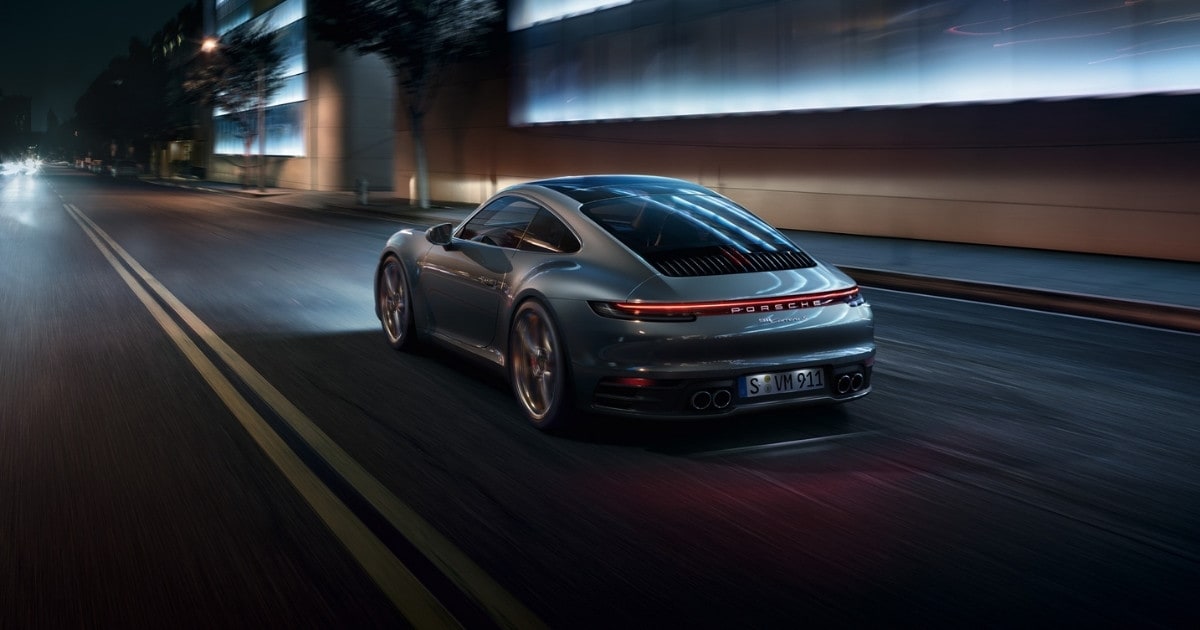
The Porsche 911 stands as one of the most iconic sports cars ever built. Its distinctive design, rear-engine layout, and precision engineering have defined the brand for decades. While the appearance of the 911 often draws immediate attention, many drivers are especially curious about the engine power that defines its performance.
At its core, the Porsche 911 engine represents a carefully balanced combination of responsive power and efficiency. Porsche engineers designed the powertrain to deliver strong acceleration while maintaining everyday usability. This balance helps explain why the 911 continues to attract enthusiasts and drivers across the Central Valley, including those visiting Porsche Fresno from Clovis, Visalia, Tulare, Merced, and Madera.
Many drivers ask a simple question when learning about this sports car: how powerful is the Porsche 911's engine? The answer depends on the specific configuration and model, but every modern 911 shares the same goal. The engine delivers immediate power while maintaining smooth acceleration and precise control.
Understanding how the engine works and what contributes to its performance can help drivers appreciate why the 911 remains one of the most respected sports cars on the road.
The Core Engineering Of The Porsche 911 Engine
A Twin-Turbocharged Flat Six Design
The modern Porsche 911 engine uses a twin-turbocharged flat-six configuration. A flat-six engine means the cylinders lie horizontally, with pairs of cylinders opposite each other. This layout helps lower the vehicle's center of gravity. A lower center of gravity improves stability, especially when cornering at higher speeds. The engine placement also supports the signature driving feel associated with Porsche sports cars.
Turbochargers help engines produce greater power during acceleration. They force additional air into the combustion chamber and, without increasing its physical size, allow the engine to produce more power. As a result, the Porsche 911 delivers strong acceleration while maintaining impressive efficiency.
Engine Output Across Different 911 Models
While all Porsche 911 models share a similar engineering foundation, horsepower levels vary by trim and performance focus.
For example:
- The entry-level Porsche 911 Carrera produces around 379 horsepower.
- The 911 Carrera S increases output to approximately 443 horsepower.
- High-performance models such as the 911 Turbo deliver well over 570 horsepower.
These numbers highlight the wide performance range within the lineup. Regardless of the specific model, each Porsche 911 delivers strong, responsive engine power that provides both excitement and control.
Why The Porsche 911 Feels So Powerful
Instant Throttle Response
Power is not only about horsepower numbers. The way a car delivers that power can be just as important. One of the defining characteristics of the Porsche 911 engine is its immediate throttle response. The engine responds quickly and smoothly when the driver presses the accelerator. This responsiveness creates a sense of connection between the driver and the car.
Engine tuning, turbocharger design, and advanced electronic management systems all contribute to this quick response. The result is a driving experience that feels both engaging and predictable.
Balanced Power Delivery
The Porsche 911 also gains its strength from how the engine delivers power throughout the rev range. Many sports cars produce peak power only at high engine speeds. In contrast, the 911 produces strong torque across a wide range of speeds. Torque refers to the rotational force that helps the car accelerate.
Because the engine delivers consistent power, drivers experience smooth acceleration whether merging onto the highway or accelerating out of a corner. This balance is one reason why many drivers find the 911 comfortable for everyday driving as well as spirited performance.
How the Rear-Engine Layout Enhances Performance
A Unique Porsche Characteristic
One of the most distinctive features of the Porsche 911 is its rear-engine configuration. Unlike most vehicles, the engine sits behind the rear axle. This layout has been part of the 911's design since the model first appeared decades ago. Porsche has continually refined the concept to improve stability and handling.
Improved Traction During Acceleration
Placing the engine over the rear wheels can improve traction when accelerating. The additional weight over the driven wheels helps them maintain grip on the road surface. This design allows the Porsche 911 to deliver impressive acceleration even in everyday driving. Drivers often notice how confidently the car launches from a stop or accelerates out of corners.
For drivers exploring performance cars in Fresno, CA, this balance between power and traction is part of what makes the Porsche 911 stand out.
The Role Of Advanced Transmission Systems
 Porsche PDK Dual Clutch Transmission
Engine power works best when paired with an efficient transmission. Many Porsche 911 models use the Porsche Doppelkupplung transmission, commonly known as PDK.
PDK is a dual-clutch automatic transmission designed for rapid gear changes. Instead of shifting gears with a traditional torque converter, the system preselects the next gear for nearly instant transitions. This design allows the Porsche 911 to accelerate quickly while maintaining smooth operation. The transmission quickly transfers engine power to the wheels with minimal delay.
Manual Transmission For Driving Enthusiasts
For drivers who enjoy a more traditional experience, certain Porsche 911 models also offer a manual transmission.
A manual gearbox allows the driver to select gears directly, creating a more involved driving experience. Many enthusiasts appreciate the level of control this provides. Whether paired with PDK or a manual transmission, the engine's power remains the central element of the 911 driving experience.
Real World Performance And Acceleration
Speed And Acceleration Capabilities
When discussing the power of the Porsche 911, acceleration figures often highlight the vehicle's performance potential.
Many current models reach 60 miles per hour from a standstill in about four seconds or less. Higher performance versions achieve even faster times. This rapid acceleration reflects not only engine power but also the efficiency of the drivetrain, aerodynamics, and traction systems.
Everyday Usability
Despite its impressive performance, the Porsche 911 remains practical for everyday driving. The engine delivers smooth power at normal speeds, making the car comfortable in city traffic and on the highway.
Drivers throughout the Central Valley, including those traveling from Merced or Tulare to Porsche Fresno, often appreciate how the 911 balances performance with everyday usability.
The engine provides strong performance when desired while remaining refined during routine driving.
Engineering Precision That Defines Porsche
 Decades Of Continuous Development
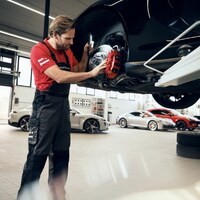
The engine inside the Porsche 911 represents decades of engineering refinement. Porsche continually improves materials, turbocharger design, and electronic management systems.
Each generation builds on the lessons learned from previous models. This long history of development allows Porsche engineers to deliver consistent performance improvements while maintaining reliability.
Performance With Precision
Many sports cars focus primarily on raw power. The Porsche 911 takes a slightly different approach.
Porsche engineers aim to deliver power that is precise, predictable, and usable. The engine works together with suspension tuning, braking systems, and aerodynamics to create a balanced performance experience. This integrated design philosophy explains why the 911 remains highly respected among both professional drivers and everyday enthusiasts.
Understanding Body Styles And Performance Feel
While engine power plays a central role in the driving experience, body style can also influence how a vehicle feels on the road.
The Porsche 911 is available in Coupe and Cabriolet configurations, each with its own unique character. A Coupe provides a fixed roof structure that enhances structural rigidity, while a Cabriolet allows drivers to enjoy open-air driving.
Drivers interested in exploring these differences may find it helpful to read the related article "911 Coupe And Cabriolet Body Style Differences." That discussion explains how design choices can influence the driving experience while preserving the Porsche 911's performance qualities.
Regardless of body style, the engine power and engineering precision remain central to the vehicle's identity.
Performance Heritage In Fresno And The Central Valley
Drivers throughout Fresno, CA, often appreciate vehicles that combine engineering precision with real-world practicality. The Porsche 911 represents that balance.
At Porsche Fresno, many visitors arrive curious about the performance capabilities of Porsche sports cars. Learning about the engine, drivetrain, and engineering philosophy helps drivers understand why the 911 continues to maintain its reputation.
Serving customers across the Central Valley, including Clovis, Visalia, Tulare, Merced, and Madera, the team at Porsche Fresno helps enthusiasts explore the features and engineering that define the Porsche lineup.
Understanding the power and design of the Porsche 911 engine allows drivers to appreciate how carefully each component works together to create a refined sports car experience.
Frequently Asked Questions
How powerful is the Porsche 911 engine?
The Porsche 911 engine produces different levels of power depending on the model. Entry models typically deliver around 379 horsepower, while high-performance versions such as the 911 Turbo can exceed 570 horsepower.
What type of engine does the Porsche 911 use?
The Porsche 911 uses a twin-turbocharged flat-six engine. This configuration places the cylinders horizontally, lowering the center of gravity and improving vehicle stability.
Why is the Porsche 911 engine located in the rear?
The engine sits behind the rear axle to enhance traction while maintaining the 911's traditional design. This layout helps the car accelerate effectively and contributes to its distinctive driving dynamics.
Is the Porsche 911 powerful enough for everyday driving?
Yes. The Porsche 911 provides strong performance while remaining comfortable for daily use. Its engine delivers smooth power at normal speeds and impressive acceleration when drivers want a more spirited experience.
Does the Porsche 911 use turbocharging?
Modern versions of the Porsche 911 use twin turbochargers to increase engine output. Turbocharging allows the engine to produce higher power levels while maintaining efficiency and responsiveness.