
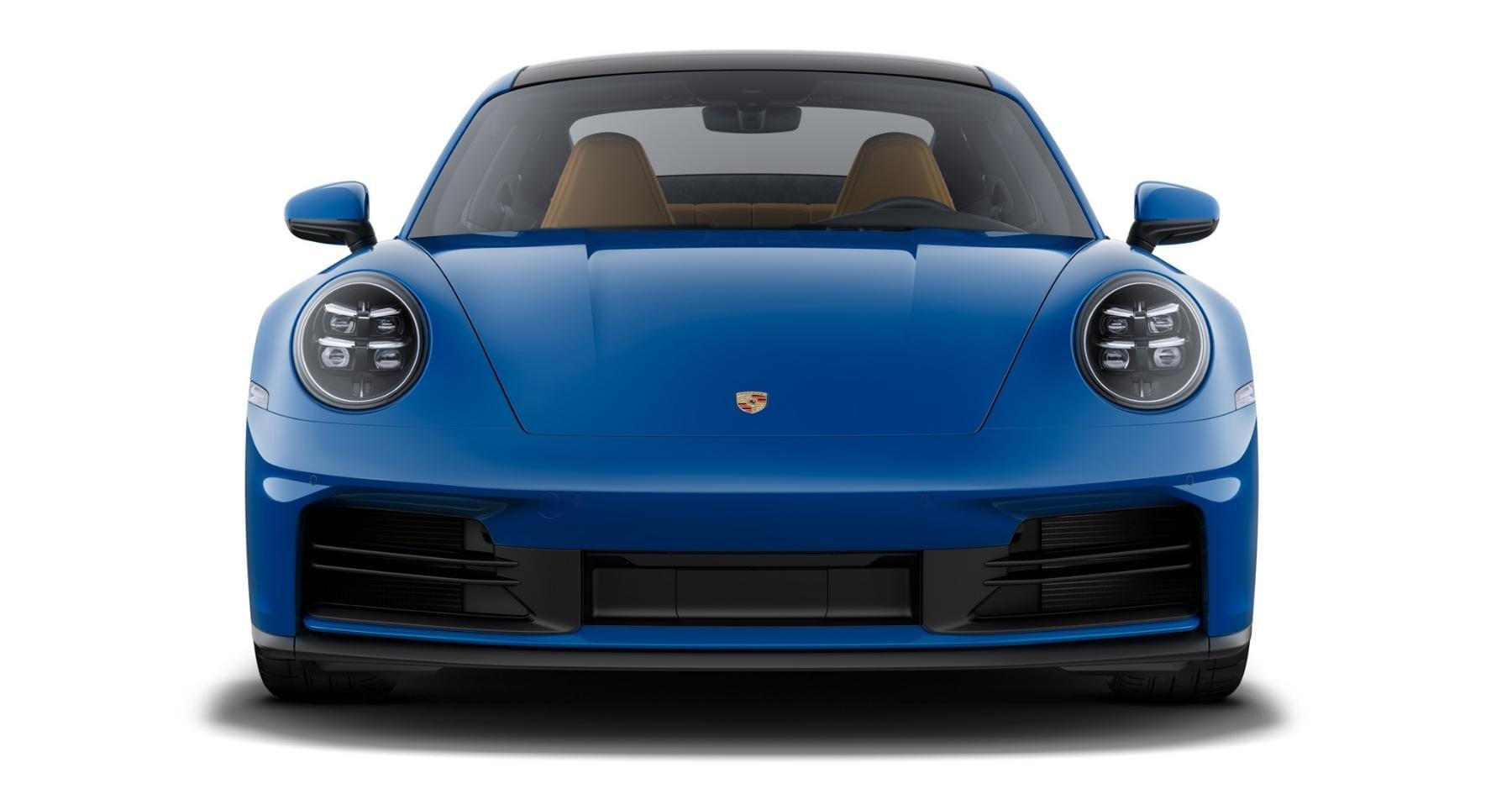
 The Porsche 911 stands as one of the most recognized sports car silhouettes in the world. Its rear engine layout, flowing roofline, and wide stance define a design that has evolved without losing its identity. Drivers often ask what truly separates the Coupe from the Cabriolet beyond the obvious roof difference. The answer involves structure, feel, and how each body style shapes everyday use.
When shoppers begin looking for a Porsche 911 for sale, performance usually leads the conversation. Yet body style also influences how that performance feels on the road. At Porsche Fresno, we guide drivers through these distinctions so they can understand how design choices impact comfort, rigidity, and driving experience in real-world conditions. Both body styles share the same engineering roots. However, each delivers a unique blend of character and usability that speaks to different preferences.
Fixed Roof Structure And Rigidity
The Coupe features a fixed metal roof that completes the vehicle's upper structure. This continuous frame strengthens the chassis and supports enhanced rigidity. Drivers frequently ask whether this structural difference improves handling. The solid roof contributes to sharper response and confident cornering stability.
Because the body remains fully enclosed, the Coupe often feels especially planted during dynamic driving. Steering inputs translate quickly and cleanly, reinforcing a sense of connection between driver and road. Many enthusiasts appreciate this precise driving feedback during spirited travel.
The enclosed structure also supports sound insulation and efficient climate control. Cabin noise stays minimal, which benefits drivers who value a focused interior environment during daily commutes or extended highway trips.
Open Air Freedom Of The Cabriolet
The Cabriolet offers flexibility with its power-folding soft top. With the press of a button, drivers can lower the roof and transform the cabin atmosphere. This feature changes how the vehicle interacts with its environment and how drivers experience motion.
A common question concerns the structural strength of a convertible design. Porsche engineers reinforce the Cabriolet chassis carefully to maintain stability and safety. While slight rigidity differences exist compared to the Coupe, the Cabriolet continues to deliver balanced performance and confident road manners.
Lowering the roof adds a new sensory layer to driving. Sunlight, airflow, and surrounding sounds become part of the experience. In regions with warm seasons, open-top driving can enhance daily enjoyment in ways a fixed roof cannot replicate.
Weight Distribution And Driving Feel
 Both Coupe and Cabriolet maintain Porsche's carefully engineered weight balance. However, structural variations create subtle differences in feel. The Coupe may feel more composed during aggressive cornering due to its continuous upper frame.
Drivers often ask if these differences appear during everyday driving. In standard road conditions, both body styles deliver responsive handling and steady control. Only in higher-performance scenarios do the nuances become more noticeable.
The Cabriolet features additional reinforcement and roof components, which can affect overall weight. Even so, acceleration remains strong and predictable. Porsche suspension tuning ensures both models maintain smooth composure on city streets and open highways.
Interior Comfort And Cabin Experience
Inside, both models share a similar layout, centered on a driver's cockpit. Supportive seating and intuitive controls place the focus on the person behind the wheel. The low seating position reinforces the sports car character that defines the 911.
The Coupe offers a quieter cabin, which many drivers appreciate on longer drives. Reduced outside noise supports concentration and year-round comfort, regardless of weather.
The Cabriolet shifts the mood when the roof lowers. Natural light fills the cabin, creating a more immersive atmosphere. Drivers often ask whether wind noise becomes distracting. With the top raised, insulation remains strong. With the top lowered, airflow management helps maintain a comfortable open drive.
Visual Presence And Exterior Appeal
Exterior design plays a meaningful role in how a sports car communicates its purpose. The Coupe features a seamless roofline that emphasizes its iconic rear profile, recognized by enthusiasts worldwide. Its proportions highlight performance heritage and timeless appeal.
The Cabriolet adds a sense of adaptability. With the roof closed, it maintains a refined silhouette. With the roof lowered, it reveals a more expressive, lifestyle-driven presence. Drivers who value variety often gravitate toward this dual character.
Shoppers frequently ask which style draws the most visual attention. The answer depends on personal taste. The Coupe leans toward classic sports-car tradition, while the Cabriolet projects versatility and open-air energy.
Seasonal Driving And Practical Considerations
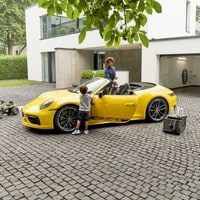 Climate can influence the decision between Coupe and Cabriolet. In areas with extended warm seasons, the Cabriolet offers more opportunities to enjoy open sky driving. Scenic routes and evening drives become more engaging when the roof lowers.
The Coupe appeals to drivers who prefer a consistent enclosed performance feel. With no roof mechanism to operate, the structure remains straightforward and solid. Some drivers ask whether convertible tops require additional care. The Cabriolet soft top is built for durability, though like any mechanical component, it benefits from regular attention.
Storage space and seating remain similar across both body styles. The choice ultimately comes down to whether drivers prefer the stability of a fixed roof or the versatility of a convertible.
Performance Variants And Shared Capabilities
Across the 911 lineup, both body styles support multiple performance configurations. Whether focused on touring refinement or enhanced power delivery, each maintains the brand's dedication to balanced performance engineering.
Drivers often ask if body style significantly alters acceleration or capability. In most trims, performance remains closely aligned. Structural differences do not compromise the model's core sports car identity. This shared capability allows buyers to prioritize their personal driving preferences without worrying about sacrificing performance based on roof choice.
Choosing The Right Body Style For Your Lifestyle
Selecting between Coupe and Cabriolet requires considering how the vehicle fits into daily life. Drivers who value structural precision and insulation may feel more aligned with the Coupe.
Those drawn to open-air driving and added sensory engagement may prefer the Cabriolet. In Fresno and the surrounding areas, favorable weather often makes convertible driving especially appealing during much of the year.
Experiencing both body styles firsthand can clarify these subtle distinctions. Seating position, visibility, and overall atmosphere often influence the final decision more than specifications alone.
Making An Informed Decision
Both body styles reflect Porsche's commitment to performance and purposeful design. The Coupe emphasizes structural rigidity and timeless character. The Cabriolet highlights versatility and environmental connection.
Understanding these differences allows drivers to move beyond surface appearance and focus on how each model feels on the road. Personal driving habits, climate, and lifestyle goals all contribute to the right choice.
For drivers in the Central Valley who want to explore these distinctions more closely, a visit to Porsche Fresno offers the opportunity to compare both body styles in person. Experiencing how each model responds on local roads can offer valuable clarity and help guide a confident decision.