
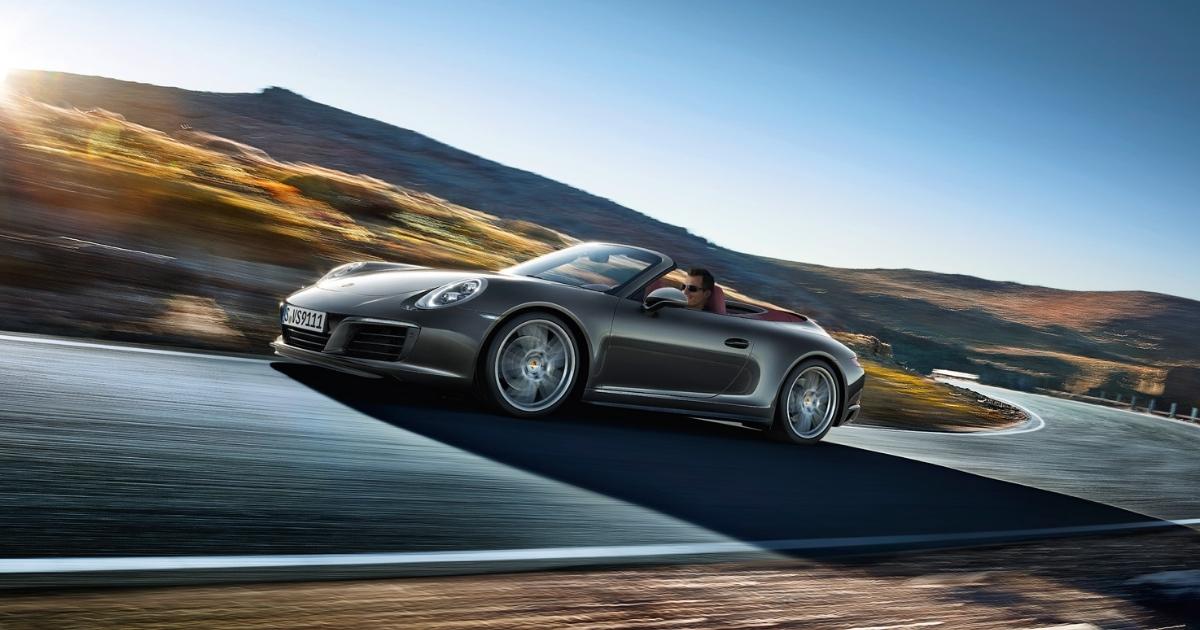
The Porsche 911 has earned its reputation through decades of refinement, with engineering choices that create a familiar yet constantly evolving experience on the road. At Porsche Fresno, we often meet drivers who want to understand what sets its performance apart, how its handling differs from other sports cars, or what contributes to the balanced feel that many enthusiasts appreciate. These questions usually lead to a detailed conversation about engine placement, suspension behavior, and how the car reacts to everyday conditions.
Many drivers also ask how the 911 manages to remain approachable despite its strong performance numbers. The answer lies in the way Porsche blends power delivery with responsive control. The structure, weight distribution, and steering calibration all work together to provide stability without sacrificing engagement. These qualities help the model feel steady in daily driving while still offering the direct, confident behavior that sports car owners expect.
Understanding these traits allows drivers to form realistic expectations about what the car is capable of in everyday use. While performance numbers are often the first thing people notice, the 911 experience is shaped more by how the chassis moves, how the brakes respond, and how the car communicates with the driver through the steering wheel and suspension. This blend is why many long-time owners say the model feels familiar in all conditions yet is still rewarding during spirited drives.
Engine Behavior And Power Delivery
One of the most common questions people ask is how quickly the 911 responds to driver input. The answer depends on the engine layout, turbo technology, and the way power comes on during acceleration. Porsche engineers tune the engines to deliver strong, predictable power across the rev range, creating a smooth, steady buildup that lets drivers feel in control from the moment they press the pedal.
Another topic many drivers want to understand is why the car feels lively even at lower speeds. The compact engine design and efficient turbo response give the model strong low-end energy, which lets the car move confidently in everyday traffic situations, where quick reactions often matter just as much as top speed. The precise throttle response also allows the driver to transition between speeds without hesitation, which helps the car feel steady and manageable.
Many people also ask whether turbocharging affects reliability or daily comfort. The setup delivers consistent performance, even on long drives or in hot weather conditions. Cooling systems, air management, and tight tolerances all work together to maintain steady performance, giving the 911 a dependable nature that owners appreciate when using the car regularly.
Handling Qualities And Cornering Feel
Drivers exploring the 911 for the first time often wonder how its rear-engine layout affects its cornering. The weight over the rear wheels creates strong traction during acceleration, especially when exiting a turn. This foundation allows the suspension and steering systems to work more effectively, giving the car a secure and planted feel on the road. The result is a handling personality that is both predictable and responsive.
Another common question is how the car stays stable on uneven roads. The suspension system is tuned to absorb minor imperfections while keeping the chassis controlled, helping the vehicle maintain balance during tight maneuvers or quick direction changes. Responsive steering also plays an important role. The system communicates what the tires are doing without overwhelming the driver, which contributes to the confidence many people feel behind the wheel.
Some drivers ask if the handling is difficult to learn. The layout may seem unique, but the tuning makes the car approachable for a wide range of skill levels. The electronic systems support the driver without compromising the car’s natural feel. Traction management, stability control, and selectable drive modes all help create a smooth learning curve, letting owners become more comfortable with the car’s dynamic behavior at their own pace.
Braking Strength And Pedal Control
 A key part of performance involves the braking system, and many drivers want to know how the 911 maintains such consistent stopping power. The design uses robust materials and efficient airflow to maintain stable temperatures, enabling the brakes to perform reliably during long drives and helping the car maintain control in repeated braking situations, such as navigating hills or traveling through traffic.
Drivers often ask what gives the pedal such a confident feel. The answer comes from careful tuning of the braking components. The pedal delivers gradual resistance, allowing the driver to apply precisely the right amount of pressure. This smooth transition helps the car stop evenly without sudden jolts. The balanced brake response supports both daily driving and more spirited situations, giving the driver predictable control in every setting.
Some people are curious about how the braking system handles wet or uneven surfaces. The car manages these conditions well thanks to its weight distribution and the quick response of its brakes. Electronic systems help maintain stability if the road surface becomes slick or inconsistent. These features work quietly in the background, supporting the driver without disrupting the car’s natural feel.
Road Comfort And Everyday Driving
A frequent question from shoppers is whether a high-performance sports car can still be comfortable on everyday streets. The 911 balances firmness and smoothness, allowing the suspension to support performance without sacrificing comfort. The tuning absorbs small jolts and imperfections while keeping the chassis stable, helping the car feel composed whether traveling through city streets or winding country roads.
Another topic drivers often ask about is cabin noise. The 911 is known for its characteristic engine sound, yet Porsche designs the cabin to filter out unwanted noise while preserving the engaging tone many drivers appreciate. This creates an environment that feels refined during long drives, helping reduce fatigue and enhance focus.
People also want to know whether the 911 is manageable in heavy traffic or at slow speeds. Its compact size and clear outward visibility make it easy to maneuver in tight spaces. Steering remains light yet accurate, which helps with parking and city navigation. These qualities contribute to a practical driving experience, making the car suitable for both weekend enjoyment and routine errands.
Driver Engagement And Steering Feedback
Many new owners ask what makes the steering feel so direct. The system is tuned to deliver clear feedback from the road to the driver’s hands, helping create a sense of connection that enthusiasts value. The front tires respond quickly to minor adjustments, making the car feel accurate on both straight roads and curvy routes.
Another common question relates to how the car behaves during sudden movements. The chassis and suspension remain composed during quick direction changes, helping the vehicle stay stable even in demanding driving situations. The driver can feel how the car reacts without being surprised by unexpected behavior.
Some drivers wonder if the engagement changes over longer trips. The steering remains consistent even when road conditions shift. Whether the surface is smooth, rough, or slightly uneven, the system delivers steady input. This reliability contributes to the confidence-inspiring driving feel that many owners appreciate.
Technology That Supports Performance
 Modern 911 models feature technology that enhances performance without compromising the car’s natural feel. Drivers often ask how these systems work without interrupting the driving experience. The technology is programmed to react only when needed, supporting the car during traction changes, braking adjustments, or shifts in weather conditions.
People also ask whether technology affects weight or balance. Engineers carefully place each component to maintain stability. The result is a blend of traditional sports-car traits and modern assistance, allowing drivers to enjoy improvements in safety and efficiency while still experiencing the model’s familiar character.
Another question is how selectable drive modes change the driving feel. These settings adjust throttle response, suspension stiffness, and transmission behavior. They allow the driver to tailor the experience to city travel, open roads, or more spirited driving. This flexibility helps the car adapt without losing its core personality.
Bringing The 911 Experience Into Focus
Performance in the 911 comes from more than numbers. Tuning decisions, structural design, and the way components work together shape its driving character. These qualities create an experience that remains both engaging and approachable.
At Porsche Fresno, we see many owners choose the 911 because it combines power, balance, and consistent road behavior. For drivers who value clear feedback, stable handling, and responsive control, the 911 delivers a blend that stands out. We invite you to visit Porsche Fresno and experience these driving dynamics firsthand with a personalized test drive.