
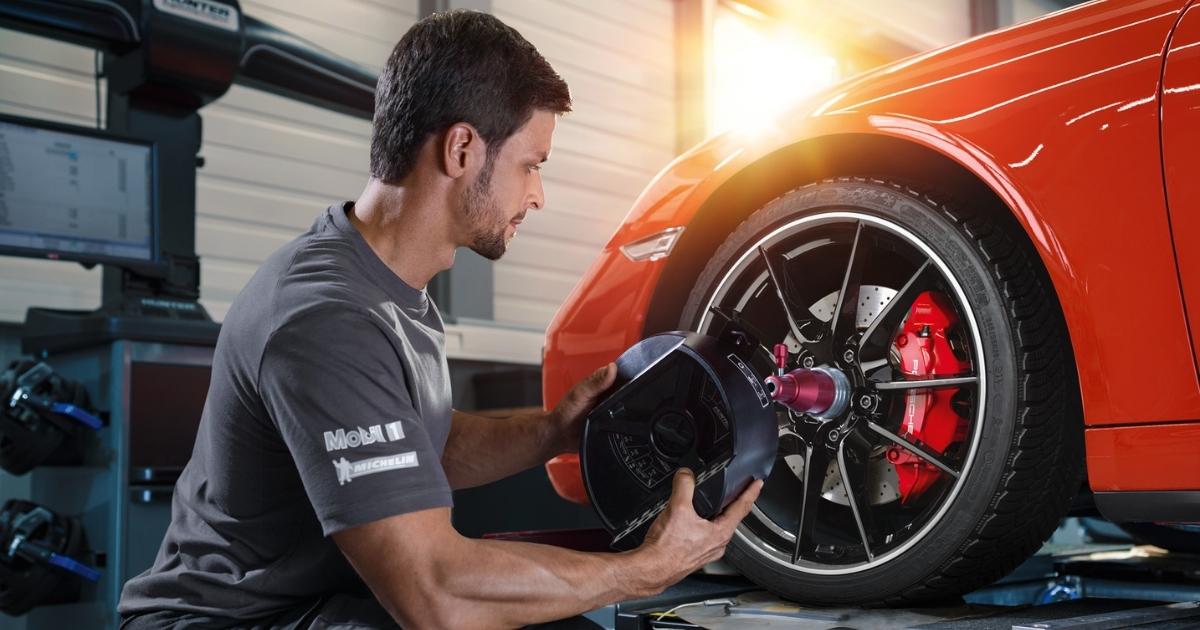
Maintaining the Porsche brake system is essential to keeping every drive precise, controlled, and safe. At Porsche Fresno, we help owners understand how regular inspections protect long-term performance and prevent wear that often goes unnoticed until it affects stopping power. Drivers usually ask how frequently they should schedule a brake check or what the early signs of brake wear are. These questions show how connected brake maintenance is to the overall driving experience. When owners learn how each part works and why it matters, they can take the proper steps to protect their investment through services supported by our genuine parts center.
A Porsche responds instantly when the driver presses the brake pedal because every component works together with incredible precision. The system includes brake pads, rotors, sensors, calipers, brake lines, and hydraulic fluid. Each piece must function properly to ensure smooth, consistent braking. Inspections help identify early changes in performance before they affect safety. Since braking also affects handling and stability, understanding the basic system helps owners recognize how maintenance shapes the driving feel for which Porsche vehicles are known.
How Brake Systems Function In Porsche Vehicles
The brake system in a Porsche converts movement into heat through friction. Pressing the brake pedal generates hydraulic force that moves the calipers and presses the pads against the rotors. This action reduces wheel speed for a controlled stop. Porsche engineers these systems to withstand extreme heat and quick cooling, making regular inspections essential. Even slight wear can influence how the pedal feels or how quickly the vehicle responds.
Many owners ask what makes Porsche brake systems different from those found in other vehicles. One clear difference lies in the materials and engineering used in the pads and rotors. High-performance parts require accurate measurements and careful installation. Drivers may also wonder whether all brake pads last the same amount of time. The answer varies because mileage, driving habits, road conditions, and climate play a role in wear. Regular checks keep the system balanced and responsive, even when conditions change.
Understanding how the brake system functions also helps owners notice when something feels off. A soft pedal, a longer stopping distance, or vibration during braking typically signals the need for an inspection. These changes do not always indicate serious problems, but they should still be part of the assessment to protect the rest of the system.
Why Brake Inspections Matter For Long-Term Performance
 Routine brake inspections support the long-term performance of Porsche vehicles. Every part in the system works together so that minor issues can create early wear in other areas. For example, thin brake pads may cause the calipers to extend further than usual, which strains the system and affects fluid pressure. By regularly inspecting the brakes, technicians can identify these issues early and prevent costly repairs.
Drivers frequently ask us how often they should check their brakes. The answer depends on driving style, but Porsche owners benefit from inspections at least once a year or whenever there is a change in pedal feel or braking sound. If the vehicle is driven in the mountains near Fresno or used for frequent highway travel, more frequent inspections help maintain stable performance. Even when the brakes feel regular, checks confirm that the pads, rotors, and sensors remain within safe limits.
Brake inspections also influence the comfort and confidence drivers feel behind the wheel. Porsche vehicles are known for consistent pedal firmness and smooth deceleration. When the brake system stays well-maintained, that feeling remains unchanged throughout ownership. Owners who stay proactive with inspections often enjoy better long-term performance and avoid unnecessary system damage.
Common Signs Your Porsche May Need Brake Repairs
Drivers sometimes wonder which signs point to brake repairs beyond normal wear. The most common indicators include high-pitched squealing, grinding, vibration during braking, or a pulling sensation to one side. These symptoms often appear gradually, which means owners may not notice them right away. Once these signs appear, a professional inspection helps prevent additional strain on the braking system.
Another question drivers often ask is whether a dashboard light always indicates immediate service is required. In many Porsche models, the brake wear indicator illuminates when the pads reach a specific thickness. Although the vehicle may remain safe to drive for a short period, scheduling service soon prevents rotor damage and ensures the braking system stays balanced. Ignoring warning indicators may result in more extensive repairs.
A soft or spongy brake pedal sometimes causes concern for owners. This change may point to air in the brake lines or a brake fluid issue. Brake fluid attracts moisture over time, which can reduce braking efficiency. If drivers notice the pedal traveling further than usual, a technician should check the system to confirm fluid quality and identify any leaks. Addressing these issues early helps maintain braking consistency and supports safe handling.
How Repairs Support Safety And Driving Precision
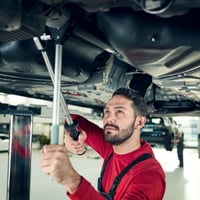 Brake repairs help Porsche vehicles maintain the sharp, predictable stopping power drivers expect. When repairs follow proper guidelines and use high-quality components, the system operates as designed. Many owners wonder whether all repairs are the same or whether specialized service matters for performance vehicles. Porsche engineers design brake systems with precise tolerances, so servicing them demands specialized expertise. Repairing one component without checking related parts could reduce the system's effectiveness.
Porsche uses advanced materials, such as performance-grade pads and ventilated or composite rotors. Technicians must install these parts correctly to ensure they function as designed. When a technician repairs or replaces brake components, they also check the calipers, hardware, sensors, and the condition of the fluid. This complete approach helps maintain the harmony between braking and handling that Porsche vehicles rely on.
Brake repairs also affect how the vehicle feels during quick stops or sudden deceleration. Even if the system appears to work normally, worn components can reduce stopping distance or cause minor steering changes during braking. Timely repairs help restore the precise control that Porsche owners appreciate, especially during high-speed driving or tight cornering.
Maintaining Your Porsche Brakes Between Inspections
Owners can take simple steps between inspections to support brake health. One helpful habit is to pay attention to pedal feel and respond to changes quickly. If the pedal feels softer or firmer than usual, it may indicate early wear. Monitoring brake sounds also helps identify issues before they become serious. A light squeak when backing up may be normal in some conditions, but a professional should evaluate persistent noise during regular driving.
Another common question is whether driving habits affect brake life. The answer is yes. Gentle braking, maintaining a safe distance from other vehicles, and avoiding sudden stops help reduce wear on pads and rotors. Drivers who regularly travel through steep areas around Fresno may experience faster wear, so scheduling more frequent checks is wise. Even though some wear is unavoidable, thoughtful driving helps extend the life of the brake system.
Keeping wheels clean also prevents brake dust buildup. Excess dust may trap heat and reduce braking efficiency over time. Regular cleaning supports cooling and helps the components stay in better condition. Although cleaning does not replace professional maintenance, it helps keep the system functioning smoothly between services.
Why Professional Porsche Brake Care Matters
Brake systems in Porsche vehicles are engineered with advanced technology and require trained technicians who understand how each component interacts with the rest of the system. Owners sometimes wonder whether general repair shops can service Porsche brakes. While many shops can perform basic repairs, Porsche technicians follow vehicle-specific procedures that meet the brand's engineering standards. This knowledge helps preserve performance and ensures the system receives the correct parts and adjustments.
Porsche Fresno supports proper brake care through the use of high-quality parts and detailed inspection methods. This approach helps maintain the precision that owners expect. Brake service involves more than replacing pads. It requires understanding the balance between rotors, calipers, sensors, and fluid pressure. Installing even one part incorrectly can reduce system efficiency and cause problems down the road.
Professional brake care also provides peace of mind. Trained experts evaluate every Porsche system, applying their deep understanding of the brand's unique performance capabilities. This support helps maintain long-term safety, comfort, and driving enjoyment. If your vehicle shows any change in pedal feel, braking sound, or stopping response, our team is ready to help. Schedule your brake inspection at Porsche Fresno today to keep your Porsche performing exactly as designed.